About
24/7 from Detroit
SurrenderFM connects people to the power of music and dance. Original House and Disco from Detroit — 24 hours a day, free to the world.
This music changes how you feel. Lower anxiety, better mood, sharper mind. The science is real and helping people feel better is the whole point.
New music drops throughout the week — fresh tracks land whenever the mood strikes. Keep the stream on and you never know what's next.
Browse the albums, dive into a decade, or just press play and dance. The floor is yours.
Broadcast
Recently Played
Store
Digital Albums
Hand-picked tracks from the station, in albums you own. Your music, your schedule, your system.
- 1Something in the MusicCeleste FennSoulful House4:31
- 2Turn the Love Back OnAja MonetDisco5:40
- 3Keep Your Light OnEtta MaeDeep House4:40
- 4House Is Where the Heart IsPork & BeansDisco6:00
- 5Lift You HigherCecileSoulful House3:30
- 6Open Up Your Heart AgainReverend JonesGarage / NY House5:40
- 7Somebody Loves YouHeat WilliamsSoulful House3:55
- 8Never Let the Night GoTrell MatthewsNu-Disco5:50
- 9Surrender (To the Beat)Reba DawnDeep House4:53
- 10Queen of This FloorDevora KayDiva House5:03
- 11Feel the LightAndre StillSoulful House6:09
Sound
Every Beat Has a Story
Every track on SurrenderFM draws from one of these musical roots. Each one has its own history, its own feel, and its own reason to move your feet. Click any panel to explore the story behind the sound.
Disco
Nile RodgersGiorgio MoroderTom Moulton
Disco is the root. Born from the 1970s club scene — Paradise Garage, Studio 54, The Loft. Four-on-the-floor kick, walking basslines, lush string sections, horns, and soaring diva vocals.
The blueprint itself: Nile Rodgers' guitar, Giorgio Moroder's synthesisers, Tom Moulton's remix epics. Every style on this station traces back here.
What makes Disco unique: it was the first dance music built for the club system — lights, sound, atmosphere — not the radio. The DJ as curator, the dancefloor as sanctuary.
These tracks carry the Disco torch — walking basslines, four-on-the-floor drive, and a dancefloor-first attitude.
Chicago House
Frankie KnucklesRon HardyMarshall Jefferson
Chicago House is where it all began. Frankie Knuckles at the Warehouse, Ron Hardy at the Music Box — extending disco records with drum machines, adding Roland TB-303 basslines, stripping it down and building it back up.
4/4 kick drums, offbeat hi-hats, claps on 2 and 4, soulful vocal snippets, and gospel piano. Tracks like "Your Love", "Can You Feel It", "Move Your Body" defined a generation.
What makes it unique: functional dance music — every element serves the groove, nothing is decorative. House music as architecture, not ornament.
Our Chicago-style cuts strip the groove to its essentials — jacking beats, gospel piano, and the raw architecture of house.
Deep House
Larry HeardKerri ChandlerDJ Spinna
Deep House emerged when producers took the House template and turned inward. Larry Heard's Mr. Fingers project set the template: jazzy chords on the Rhodes, rolling sub-bass, atmospheric pads, and a tempo that breathes rather than rushes.
Kerri Chandler, Blaze, Theo Parrish. The tempo sits lower than standard House (118-125 BPM), giving it a hypnotic head-nod instead of an urgent jog. The kick is soft and round, the hi-hats tick rather than hiss, and the bass walks — it doesn't bounce. Every element has room to breathe.
What makes Deep House unique: it prioritises feeling over force. The builds are emotional, not mechanical. The drop is a release, not a fireworks show.
Our deep cuts lean into the hypnotic side — rolling basslines, Rhodes chords, and grooves that trust you to feel the drop without fireworks.
Garage / NY House
Larry LevanDavid MoralesTodd Terry
Born at the Paradise Garage in New York City, Garage House is the gospel-tinged, soulful sibling of Chicago House. Larry Levan's legendary marathon sets at the Garage blended disco, R&B, and proto-house into a sound that prioritized feeling over force — long builds, ecstatic releases, and a warmth that came from the room itself.
Where Chicago House was raw and jacking, New York Garage was lush. Big vocals, deep walking basslines, gospel piano, and a sense of space that let the crowd breathe between peaks. David Morales and Todd Terry brought the sound from the underground to the world, defining the NYC club sound of the late 80s and early 90s.
What makes Garage House unique: the space between the notes. It breathes — it leaves room for the vocal, for the crowd, for the moment. It's house music that trusts you to feel it without being told how.
Soulful, gospel-tinged, built for the late-night journey — these tracks carry the torch from the Paradise Garage.
Jazz House
St GermainJazzanovaMr. ScruffFila Brazillia
Jazz House is where the dancefloor meets the smoky jazz club. House beats at 118-128 BPM, but the harmony is all 7ths, 9ths, and extended chords. Live instrumentation sits at the centre — upright bass, Rhodes piano, real horns that phrase like a conversation rather than a sample loop.
The sound was built by two scenes in parallel. St Germain's Tourist put French Jazz House on the map worldwide, while Jazzanova and Germany's Sonar Kollektiv dug deeper into broken beat and Latin-infused grooves. Mr. Scruff's eclectic UK club nights and Fila Brazillia's sample-heavy productions added a playful, crate-digger energy that keeps the genre from taking itself too seriously.
What makes Jazz House unique: it swings where other house drives. The pocket is looser, the solos are real, and the music breathes like a live band.
These tracks swap the metronome for a swing — upright bass, Rhodes, and horns that breathe like a live band.
Soulful House
MAWBlazeCrystal Waters
Soulful House takes the church to the club. Big diva vocals, live instrumentation, piano stabs that hit like organ swells at testimony time. The kick is solid but the voice is the anchor — every arrangement builds around the singer's performance.
MAW (Masters At Work) defined the New York sound in the 90s — Kenny Dope and Little Louie Vega built tracks that were as comfortable in the club as they were on gospel radio. Blaze brought the songwriting depth of classic soul, and Crystal Waters turned house hooks into pop anthems without losing the dancefloor edge. Together they proved that a house track with a real song underneath could move a room just as hard as any loop.
What makes Soulful House unique: the vocal is the lead instrument. The beat supports, but the voice delivers. It's house music with a message.
These tracks put the voice front and centre — songs you can sing, stories you can feel, hooks the whole room can carry.
Diva House
CeCe PenistonKristine WUltra Naté
Diva House is peak-time, hands-in-the-air, vocal-forward house music. Born in the gay clubs of Chicago and New York, it's defined by soaring vocal performances, piano stabs that hit like the whole room just took a breath, and a chorus that demands to be sung back at full volume.
CeCe Peniston's "Finally," Kristine W's "Feel What You Want," Ultra Naté's "Free" — these records built the template. The kick is solid, the bass is warm, but the voice is everything. Every arrangement builds around the singer's performance, and the drop isn't a drop — it's the moment the vocal comes back in.
What makes Diva House unique: the voice is the lead instrument, the hook, and the payoff. No subgenre puts more weight on a single vocal performance. If it sounds like the climax of a night out, it's Diva House.
Big vocals, big hooks, peak-time energy — these tracks live for the moment the crowd sings back.
Nu-Disco
Fred FalkeTodd TerjeLindstrøm
Nu-Disco is the modern revival, filtering classic 70s and 80s Disco through contemporary production. The bass is rounder, the drums hit harder, and the arrangements are tighter — but the DNA is pure disco: walking basslines, four-on-the-floor kicks, and melodies built for the dancefloor.
Fred Falke's bassline-driven productions and remixes defined the sound for a generation of producers — warm analog synths, driving bass, and an unmistakable French touch filtered through a modern lens. Todd Terje's cosmic Italo-disco edits and Lindstrøm's sprawling space-disco epics proved the genre had legs beyond nostalgia. The best Nu-Disco doesn't mimic the past — it extends it.
What makes Nu-Disco unique: it's knowingly retro but never nostalgic. It uses old tools to make something that sounds like right now.
Modern production meets classic disco DNA — walking basslines, four-on-the-floor drive, filtered through a contemporary lens.
Science
Your Brain on This
Science says what the dancefloor already knew. The right beat at the right time changes how you feel. Music lights up the same reward pathways as food and connection. Add movement and the effect gets even stronger. No prescription needed — just press play and dance.
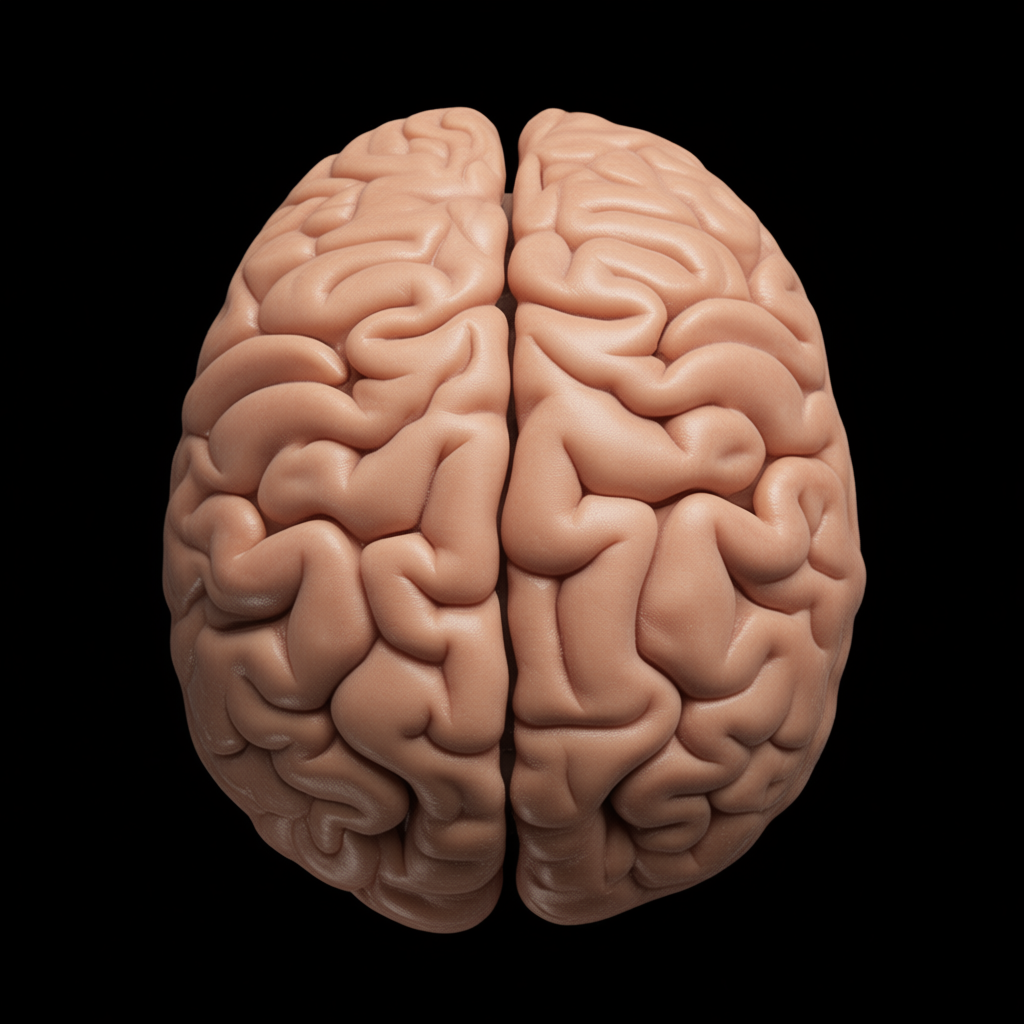
Over six thousand patients across eighty-one trials all point in the same direction: music before, during, or after a stressful event reduces anxiety as effectively as standard medical treatments. No prescription needed.
Pleasurable music lights up the same reward circuitry as food and connection. Every single clinical trial on music therapy showed it reduced depression. After a stroke, patients who listened to music recovered better than those who listened to audiobooks or received standard care alone.
Dance matches exercise for mood and anxiety reduction — then beats it for motivation, memory, and social cognition. In older adults, dance programs measurably improved cognitive function. Your body moving to rhythm is a full-brain workout.
More than half of people naturally turn to music to cope with stress and loneliness. It's one of the most accessible tools on the planet — low risk, always available, and it works whether you're on a dancefloor or sitting in your car at 2 AM.